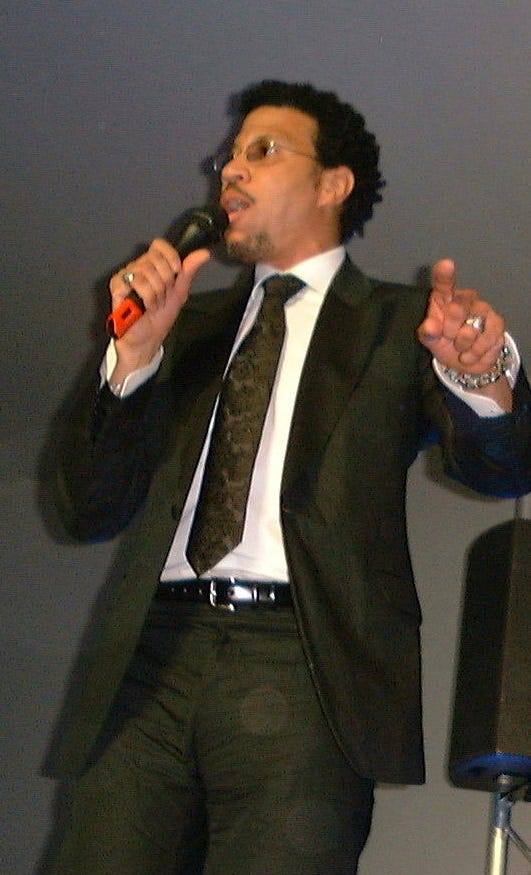
The Night Lionel Richie Saved the Room
When even the most powerful became simply people

During the Cannes Film Festival, the most exclusive evenings were not always about cinema. Some were about survival.
Elizabeth Taylor founded AMFAR to raise funds for AIDS research, long before it became fashionable to care. Even after her death, the organisation continues, supported by names like Sharon Stone and Elton John. In those years, one of the most successful AMFAR galas took place at Le Moulin de Mougins, the legendary restaurant of Roger Vergé in the hills above Cannes.
It attracted royalty, film stars, magnates — and, at the time, one of its major donors, Harvey Weinstein.
On the final gala evening Elizabeth herself attended, something shifted.
She was visibly fragile. When she stepped up to welcome her guests, her voice trembled. She looked around the room, filled with people who had come because of her, and said: “I am very honoured to have been invited here tonight…”
The room froze in shock. It was her event.
For a second that felt like a minute, glamour evaporated. The chandeliers still shimmered, the silver still sparkled, but something human and vulnerable had entered the room. People stared at the tablecloths. At their glasses. At each other.
And then Lionel Richie stood up.
Without announcement, without ceremony, he walked calmly to the small stage, gently took Elizabeth by the arm, guided her back to her chair, picked up the microphone and began to sing:
Three Times a Lady.
No introduction. No speech. Just the song.
The room changed again — this time into something tender. What could have become a painful memory turned into an unforgettable tribute. Many were in tears. So was I.
In that moment, the Riviera stopped being about power or prestige. It became about grace.
Some songs attach themselves forever to a person.
That night, Three Times a Lady became inseparable from Elizabeth Taylor.
Photo: Author