
The Tree
At home in Neither world

During our weekly search for an affordable home, we came across a beautiful — and therefore completely unaffordable — estate. A fairy tale.
A two-hundred-year-old house with a vast, ancient garden. It looked like a film set.
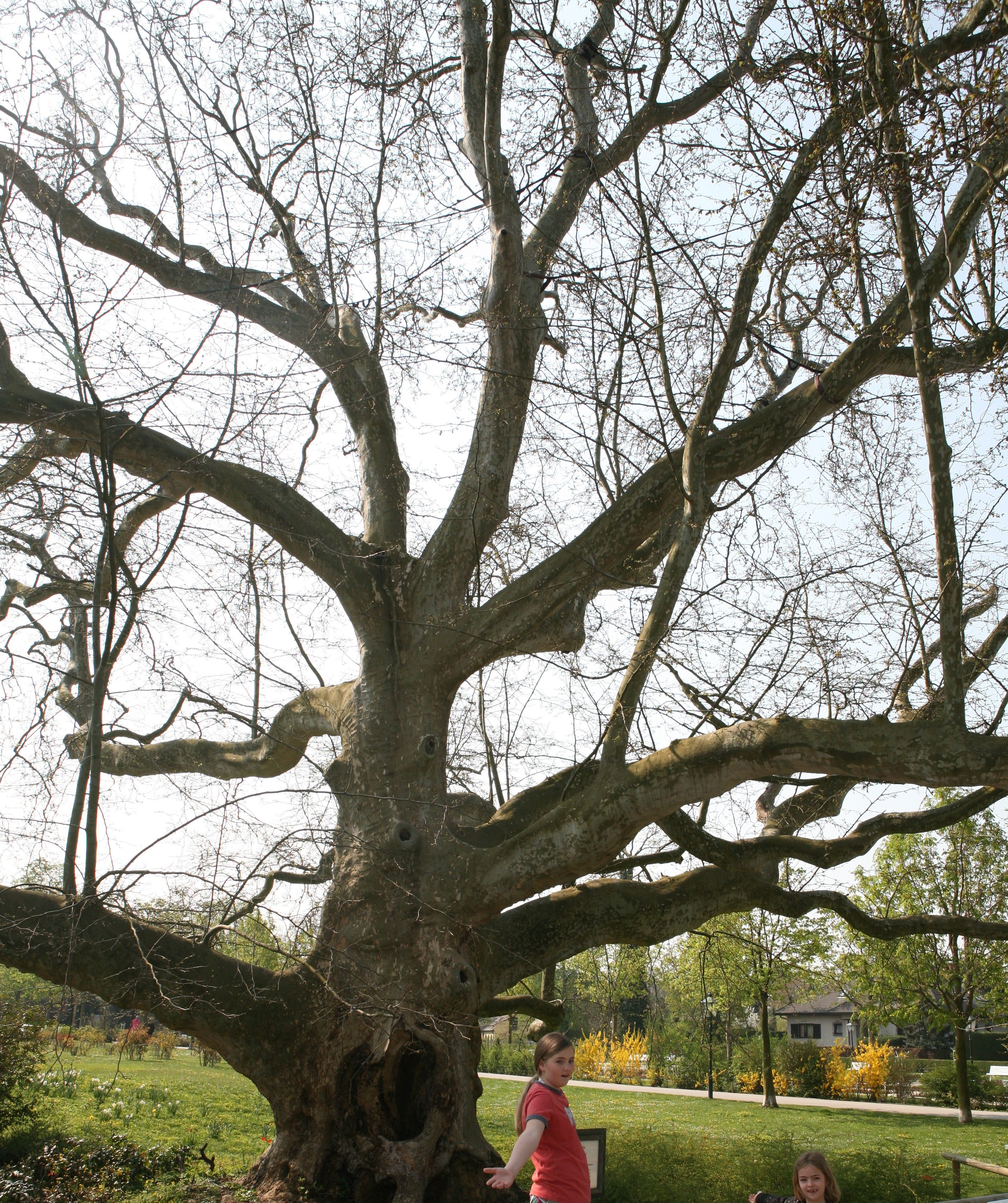
On the grounds stood a large oak tree. The estate agent told me it might be more than four hundred years old. Things like that always do something to me. I want to touch the tree, as if by doing so I can feel time itself. My imagination immediately takes over. I see centuries passing by: people in different clothes, entire families who lived here and disappeared again. I see soldiers, wars, fear and pain. And sometimes lighter images — Napoleon, perhaps, relieving himself against the trunk, watched disapprovingly by the tree.
I have this with old things. They make me dreamy. In historic city centers I have to be careful not to get run over — especially in Paris and London.
If you live here long enough and, through visits, guides, drivers, and their stories, start to learn more and more about the region’s history, you eventually run out of time to dream. There is simply too much history. So much that you begin to feel as if you have lived for centuries yourself.
The mountains, the sea, the rivers, the trees, the old paths, the abandoned houses and neglected vineyards confront you so directly with the past that it becomes almost a religious experience. Look at the sea washing ashore — how long has that been the same? Here too, you can touch the water and imagine its history, just like with the tree.
Watching a small group of elderly men playing pétanque on the village square, I feel a hint of jealousy. How can they enjoy their small part in this eternity so calmly? I, on the other hand, feel the urge to move faster, to see more, to experience everything — to feel it in my fingertips and in my toes.
Sometimes I do find that calm, briefly, when we — against all agreements — sit down for lunch with a bottle of rosé. But even that feels like an artificial kind of peace.
I tried everything: breathing in lavender, drinking wine, eating more garlic, cooking with truffles. Until I realized that both the emotion and the restlessness come from the same source: I come from another world. I am impressed; the locals are not. They are who they are. I see the difference, but I am not part of the fairy tale. I am an observer. That is probably why dishes made with organs will never make it down my throat.
When I see old black-and-white photos of Yves Montand, cigarette in his mouth, dancing in love with Simone Signoret, I know I must settle for Johnny Jordaan and Tante Leen. Until I realize that they no longer belong to me either. Even in that Dutch fairy tale, I no longer play a role.
I now know both worlds and, as Jan Slauerhoff once wrote so often, I am at home in neither. Those old men know only one world — and that is the world they belong to.
Is that where my restlessness comes from?
I live in two worlds. When I am here, I long for there. When I am there, I long for here.
The question remains whether I truly want to be that calm — if that is even possible — or whether I want to continue observing both worlds, perhaps even more. If I were not afraid of being considered eccentric, I would like to embrace the tree, using it as an anchor, feeling its strength. At the same time, I know that every anchor is eventually lifted again.
My “own” world no longer exists. Traveling has made it just as foreign as this one. So it is not the old men. Not them, not you.
It is me.
Beautiful story. As i travelled up and down with you last years.
Reeding your story this expat desease definite caught grip on me too.